



















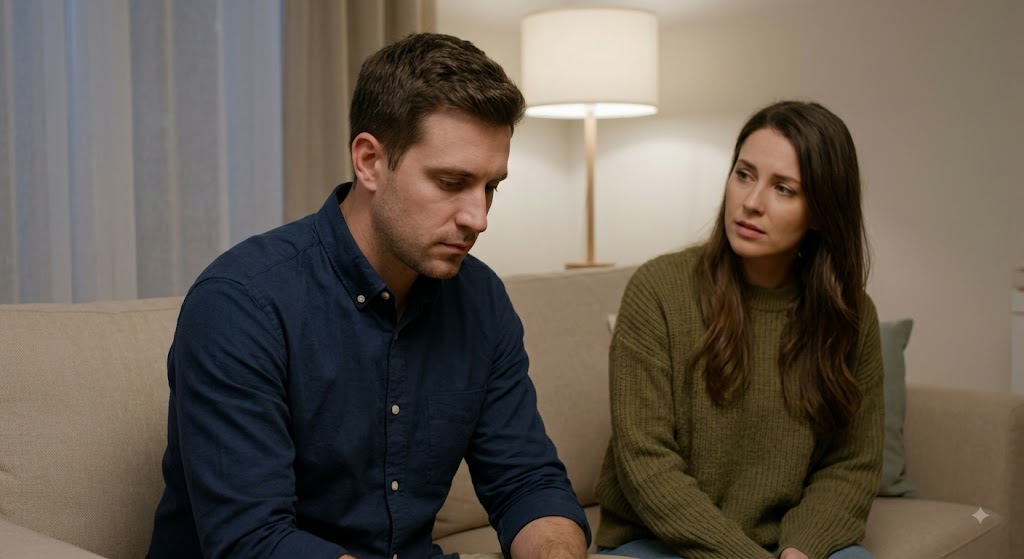
Few things in a relationship are as disorienting as an abrupt shift in energy. One day, your boyfriend is attentive, warm, and messaging regularly; the next, he feels like a stranger living behind a wall. The answers become shorter, the affection feels forced, and the silence between you feels heavy.
When distance happens suddenly, the human brain instinctively searches for emergency explanations. You might wonder if you said something wrong, if he has met someone else, or if he has completely lost interest overnight.
While a sudden pull-back can signal changing feelings, sudden distance is often a reaction to an immediate external stressor, emotional overwhelm, or personal overload. To understand what is actually going on, it is essential to look at the timeline of the shift, the environment around him, and how he reacts when you approach him with calm curiosity.
Gradual Distance vs. Sudden Distance: Why the Speed Matters
Understanding how fast the distance appeared gives you crucial context about what is driving it.
- Gradual distance usually develops slowly over weeks or months. It often points to long-term relational dynamics, such as declining romantic interest, chronic communication failure, or growing apart. If you suspect a long-term erosion of romantic connection rather than a sudden shift, read our breakdown on 11 Signs He Is Losing Interest in You to evaluate broader behavioral patterns.
- Sudden distance happens rapidly—sometimes over a matter of days or after a specific event. Abrupt shifts are almost always triggered by an acute event: a sudden increase in workplace pressure, a painful family issue, a moment of intense emotional vulnerability, or a sudden realization that he needs space to process something.
Because sudden distance is usually a defensive response to feeling overwhelmed, how you react in the first few days makes a significant difference in whether he opens up or retreats further.
9 Possible Reasons Your Boyfriend Is Suddenly Distant
1. He Is Experiencing Acute Personal or Work Stress
- What it looks like: He becomes quiet, distracted, and physically fatigued. He may spend more time on his phone or staring at screens, replying with brief answers, and seeming entirely preoccupied.
- What it means: Many people process severe stress internally before they feel ready to speak about it. When a man’s brain is consumed by an immediate problem—such as job instability, a high-stakes project, or financial worry—his emotional bandwidth for connection drops sharply.
- A realistic example: He had a major review at work or a sudden conflict with his boss on Tuesday. By Wednesday evening, he is short-tempered, doesn’t ask about your day, and goes to bed early without saying much.
- What you should do: Acknowledge the stress directly without forcing a deep emotional debrief. A simple, “You seem under a lot of pressure right now. I’m in your corner if you want to vent or just need a quiet night,” permits him to rest without feeling judged.
2. He Hit an Emotional Vulnerability Peak (The “Vulnerability Hangover”)

- What it looks like: The pull-back occurs immediately after a moment of intense closeness, such as a deep late-night conversation, saying “I love you” for the first time, or introducing you to his family.
- What it means: Deep intimacy requires emotional risk. For someone who isn’t fully comfortable with vulnerability, a powerful bonding experience can trigger an automatic reflex to step back and regain emotional control.
- A realistic example: You spent a romantic weekend together where he opened up about his past struggles. On Monday, his texts are unusually dry, and he declines dinner plans for later in the week.
- What you should do: Don’t assume the closeness was fake. Allow the dynamic to breathe for a few days. If this is an ongoing pattern where closeness is always followed by pulling away, explore our guide on 7 Signs He Likes You but Is Pulling Away.
3. An Unresolved Conflict or Unspoken Resentment Is Festering
- What it looks like: He acts cold, polite, or stiff rather than warm. He gives short “I’m fine” responses, but his body language signals irritation or distance.
- What it means: If an argument was cut short or an issue was swept under the rug, he may be retreating into passive resistance rather than bringing it up directly.
- A realistic example: You made a joke in front of his friends two days ago that bothered him. Instead of telling you in the moment, he has become distant, testing whether you will notice his withdrawal.
- What you should do: Clear the air softly. Ask directly: “It feels like there might be some lingering tension between us since the other night. Did something happen that we didn’t fully resolve?”
4. He Is Experiencing Personal Burnout or Mental Fatigue
- What it looks like: He seems emotionally flat across all areas of his life—not just in the relationship. He shows little enthusiasm for his hobbies, social life, or regular routines.
- What it means: Burnout drains emotional availability. When someone is running on empty, maintaining active conversation and relational effort can feel like an impossible burden.
- A realistic example: After weeks of overworking, he spends his entire weekend staring at the TV, barely engaging in conversation, and sleeping longer hours than usual.
- What you should do: Distinguish between him rejecting you and him having nothing left to give. Offer low-pressure company where he doesn’t have to perform or entertain.
5. The Relationship Is Moving Faster Than He Has Processed
- What it looks like: The distance occurs right after a discussion about moving in together, meeting parents, taking a major trip, or defining the relationship long-term.
- What it means: When relationship milestones approach quickly, anxiety can cause a person to pause abruptly to evaluate their readiness, even if they care about you deeply.
- A realistic example: After discussing holiday travel plans with your family, he suddenly becomes vague about setting specific dates and takes longer to reply to your messages.
- What you should do: Slow down the pace slightly to remove the sensation of urgency. Clarify that big steps can be taken at a speed that feels comfortable for both of you.
6. He Is Facing a Private Life Crisis (Family, Health, or Financial)
- What it looks like: The shift is severe and immediate. He appears heavy, anxious, or hyper-focused on his phone, but deflects when you ask what’s wrong.
- What it means: People often pull back when dealing with embarrassing or personal issues—such as family instability, health scares, or sudden financial trouble—before they know how to share it.
- A realistic example: He receives a phone call from a family member, and his demeanor changes completely for the rest of the week, yet he insists “it’s nothing.”
- What you should do: Express unconditional support: “I can tell something heavy is on your mind. You don’t have to talk about it until you’re ready, but I’m here when you are.”
7. His Communication Baseline Is Resetting to Normal
- What it looks like: The rapid-fire texting and non-stop availability from the first two months of dating slow down to a steady, predictable pace.
- What it means: Early dating involves high levels of excitement and constant contact. As a relationship stabilizes, people naturally return to their baseline habits regarding work, hobbies, and phone usage.
- A realistic example: He used to text you every hour. Now he texts you a few times a day—mostly in the morning and evening—while focusing on his work during the day.
- What you should do: Evaluate whether his behavior reflects a drop in care or simply a return to normal routine. If messaging frequency is your primary concern, learn more about handling texting shifts in Why Is My Boyfriend Texting Less? 7 Reasons & What to Do.
8. He Needs Autonomy and Space to Regulate Himself
- What it looks like: He explicitly or implicitly pulls back to spend time on solo hobbies, gaming, working out, or being alone.
- What it means: Introverted or independent partners use quiet, solitary time to reset their nervous system. When life gets noisy, their instinct is to retreat into solitude to recharge.
- A realistic example: After a busy social weekend with friends and family, he cancels a low-key Monday date night to stay home alone and catch up on rest.
- What you should do: Avoid taking his need for solitude personally. Granting space gracefully builds trust and makes returning to the connection feel inviting. For more on handling space effectively, see Why Does My Girlfriend Need Space? How to Respond Correctly.
9. He Is Unsure About the Relationship but Doesn’t Know How to Say It
- What it looks like: The distance is paired with a lack of affection, avoidance of eye contact, and an unwillingness to make plans.
- What it means: When someone starts having doubts about compatibility but fears conflict or hurting their partner, they often step back emotionally first, hoping the issue resolves itself or that the distance opens a dialogue.
- A realistic example: He stops saying “I love you” first, avoids physical touch, and acts relieved when you have separate plans for the weekend.
- What you should do: If the distance persists past a week or two without a logical explanation, you need to initiate an honest conversation about the state of the relationship.
How to Assess the Situation (Without Panicking)
Before reacting, take a step back and use this quick evaluation framework to determine the likely cause:
| Assessment Question | Likely Cause if “YES” | Recommended Approach |
| Did a major work/life event happen in the last 48 hours? | External Stress / Crisis | Offer supportive, low-pressure presence. |
| Did you just have an intense bonding moment or major talk? | Vulnerability Hangover | Give the relationship 2–3 days of breathing room. |
| Is he acting distant toward everyone (friends/family)? | Personal Burnout / Mental Fatigue | Encourage self-care; don’t take it personally. |
| Is he distant only toward you while fine with others? | Unresolved Conflict / Changing Feelings | Initiate a direct, gentle check-in conversation. |
What NOT to Do When Distance Happens Overnight

When a partner suddenly pulls back, anxiety often pushes us toward behaviors that increase tension:
- Do not send demanding walls of text: Texting “Why are you ignoring me?” or sending multiple unanswered paragraphs puts him on the defensive and usually causes him to shut down further.
- Do not match his coldness out of spite: Playing mind games by intentionally withholding affection or mirroring his silence creates a cycle of mutual resentment.
- Do not demand an immediate explanation: Pushing someone for answers when they are emotionally dysregulated or overwhelmed often leads to explosive arguments or insincere answers.
- Do not turn to social media for hints: Analyzing his online activity or posting indirect quotes creates unnecessary anxiety and rarely reflects the truth.
How to Respond: A Step-by-Step Approach
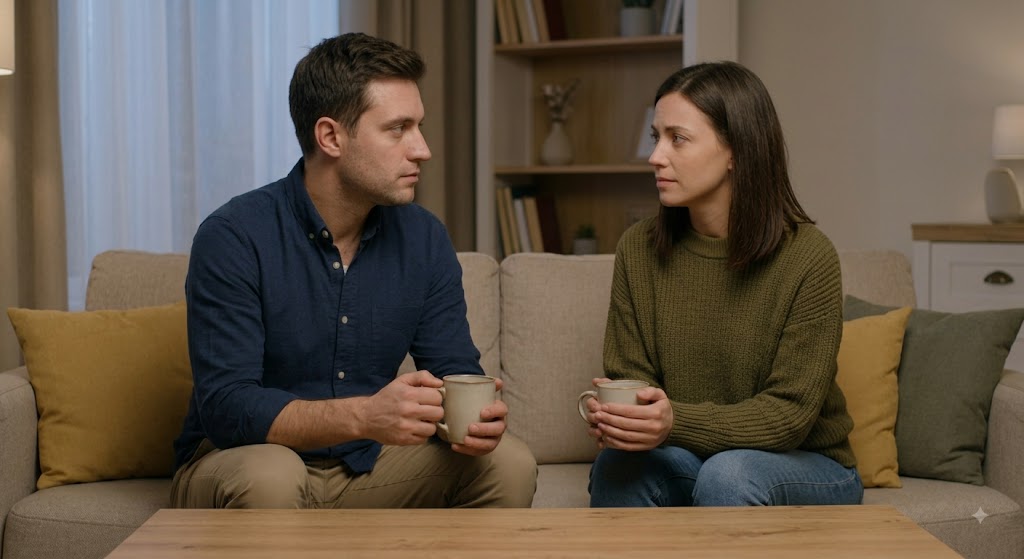
If your boyfriend has suddenly become distant, follow this three-step framework to navigate the situation constructively:
Step 1: Pause and Regulate Your Own Anxiety
Give yourself a 24-to-48-hour buffer before bringing up the change. Use this time to observe his behavior objectively rather than reacting to initial panic.
Step 2: Create a Low-Pressure Opening
Reach out with a supportive, non-accusatory observation. Focus on clarity rather than blame.
“Hey, you’ve seemed a bit quiet and pulled back the last couple of days. I know you’ve had a lot on your plate, so I just wanted to check in and see how you’re doing.”
Step 3: Decide Based on His Response
How he handles your check-in will tell you everything you need to know about your next steps:
- If he opens up or acknowledges the stress: Validate his feelings, offer support, and discuss how to stay connected while he navigates it.
- If he brushes it off but stays cold: Set a clear boundary: “I hear that you’re saying everything is fine, but I can feel a shift in our energy. When you’re ready to talk about it, I’m here, but I need us to be open with each other.”
- If he remains consistently distant without effort: It may be time to use our practical tools on How to Reconnect With Your Partner When You Feel Distant to focus on constructive reconnection—or evaluate if the relationship is giving you the stability you need.
Frequently Asked Questions
How long does a sudden period of distance usually last?
If caused by temporary stress or a need to recharge, sudden distance usually resolves within 2 to 5 days once the immediate stressor settles. If distance persists past two weeks without communication or improvement, it usually signals an underlying relationship issue that needs to be addressed directly.
Should I text him if he is acting distant?
Keep your communication calm, clear, and brief. Avoid sending multiple unprompted check-ins throughout the day. Send one thoughtful message offering support, then allow him the time and space to respond.
How do I know if I caused the sudden distance?
If you caused the distance through an unresolved argument or boundary crossing, he will often exhibit specific signs of frustration, coldness, or subtle resistance around you. If you are unsure, simply ask: “I noticed things feel a little tense between us—did I say or do something that upset you?”
Next Steps
Sudden distance in a relationship is uncomfortable, but it is also an opportunity to practice emotional maturity and clear communication. Focus on staying grounded in your own worth, give him reasonable space to regulate, and address the dynamic with calm curiosity when the time is right.