



















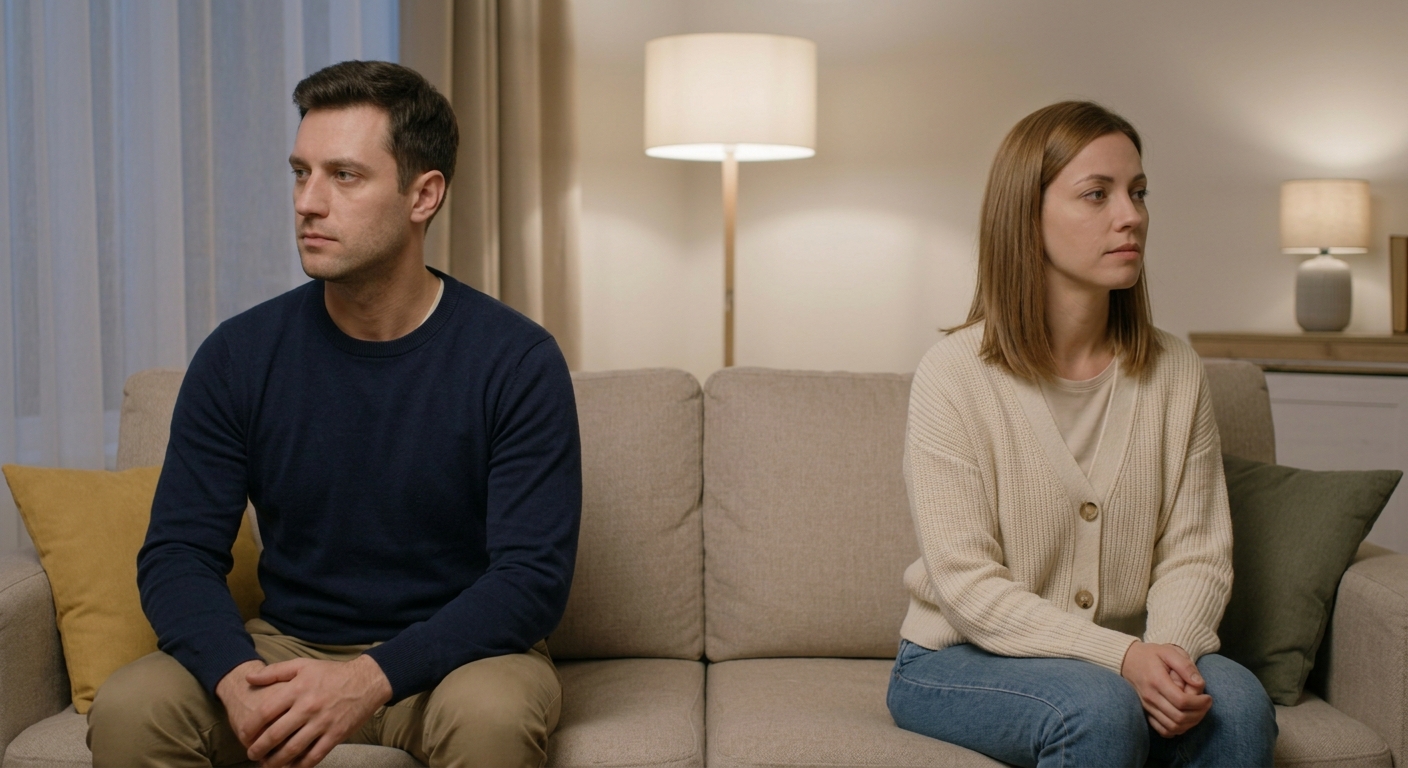
Few relationship dynamics create as much emotional distress as an ongoing hot-and-cold pattern. When your partner is warm, attentive, and present, the relationship feels secure and full of potential. But when they suddenly pull back—becoming distant, quiet, or non-committal—it can feel like the ground beneath you has shifted.
When this happens once, it can usually be attributed to a bad week or outside stress. But when pulling away becomes a repeating cycle, it usually points to underlying emotional triggers, attachment patterns, or communication habits.
Understanding why your partner keeps stepping back is the first step toward breaking the cycle and establishing a secure, consistent bond.
The Anatomy of the “Pull-Back” Cycle: Why It Keeps Happening
The hot-and-cold cycle rarely happens by accident. It typically follows a predictable emotional loop:
- Closeness & Intimacy: You experience a breakthrough moment, deep conversation, or fun date that brings you closer.
- Internal Threat Trigger: The intimacy triggers an automatic reflex in your partner—such as fear of losing control, fear of rejection, or emotional overwhelm.
- The Withdrawal: Your partner pulls back to regain their internal baseline and protect their boundaries.
- The Reaction & Reset: Once space is restored and tension drops, your partner feels safe enough to return to the relationship, restarting the sequence.
8 Reasons Why Your Partner Keeps Pulling Away
1. Avoidant Attachment Style Trigger
People with an avoidant attachment style value independence and self-reliance above all else. When a connection reaches a high level of closeness, their subconscious alarms go off, signaling a potential loss of freedom. Pulling back is their learned mechanism to self-regulate and feel safe again.
2. Vulnerability Hangovers After Intimacy
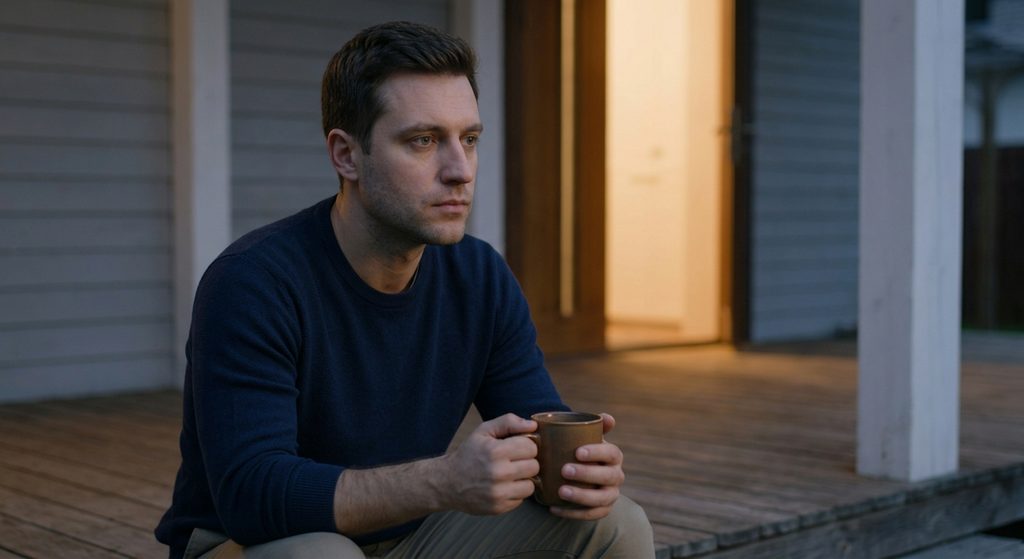
Sharing deep emotions, fears, or future commitments can feel liberating in the moment, but intimidating afterward. A “vulnerability hangover” occurs when your partner feels overly exposed after opening up, causing them to retreat into quiet reflection for a day or two to regain their footing.
3. Fear of Loss of Autonomy or Independence
In fast-moving relationships, partners sometimes fear that being in a committed bond means giving up their personal goals, social circle, or routine. If they feel their life is being swallowed by the relationship, they will periodically pull away to reclaim their identity.
4. Internal Unresolved Stress or Overwhelm
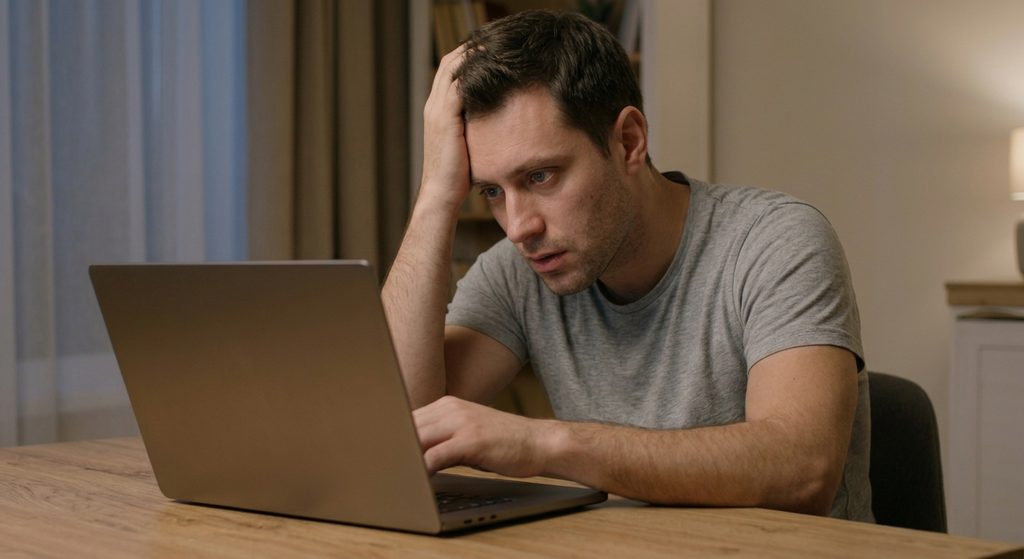
When work pressure, family issues, or personal anxieties pile up, people regulate stress differently. While some seek connection, others turn inward. If your partner is a compartmentalizer, they may pull away simply because they lack the emotional capacity to manage outside stress and relationship demands at the same time.
5. Relationship Velocity (Things Moving Too Fast)
If the relationship moves faster emotionally or structurally than your partner’s internal processing speed, their pull-back acts as a speed brake. It is often an attempt to slow the relationship down to a pace where they can keep their balance.
If this dynamic feels newly triggered by early-stage dating, explore our guide on 7 Signs He Likes You but Is Pulling Away.
6. Conflict Avoidance and Emotional Bottling
If your partner struggles with healthy communication, they may pull away whenever tension arises instead of speaking up. Rather than addressing a minor frustration, they store it internally and use distance as a passive shield against potential confrontation.
7. Unclear Expectations or Fear of Commitment
When a relationship approaches major milestones (like defining the relationship, moving in, or discussing the long-term future), fear of commitment can cause significant hesitation. Pulling away allows them to pause and weigh their feelings without taking a step forward.
8. Ambivalence or Declining Feelings
While many reasons stem from self-protection, persistent emotional distance can also indicate that a partner is uncertain about their long-term investment. If the warm phases become shorter and the distant phases become longer, it may point to a gradual drop in romantic interest.
To assess whether your partner’s distance is rooted in fading feelings, read our breakdown in 11 Signs He Is Losing Interest in You.
Is It Attachment Anxiety or Loss of Interest?
| Indicator | Pulling Away Due to Attachment / Fear | Pulling Away Due to Loss of Interest |
| Return Dynamic | Returns with genuine warmth and affection once regulated. | Returns with polite distance or detachment. |
| Trigger Point | Follows moments of high intimacy or deep conversation. | Occurs randomly or after relationship demands/milestones. |
| Reassurance Response | Relieved when space is given without pressure or guilt. | Indifferent or uncomfortable when space is offered. |
| Eye Contact & Presence | High engagement during face-to-face interaction. | Low engagement and minimal presence even in person. |
Mistakes That Keep the Cycle Alive
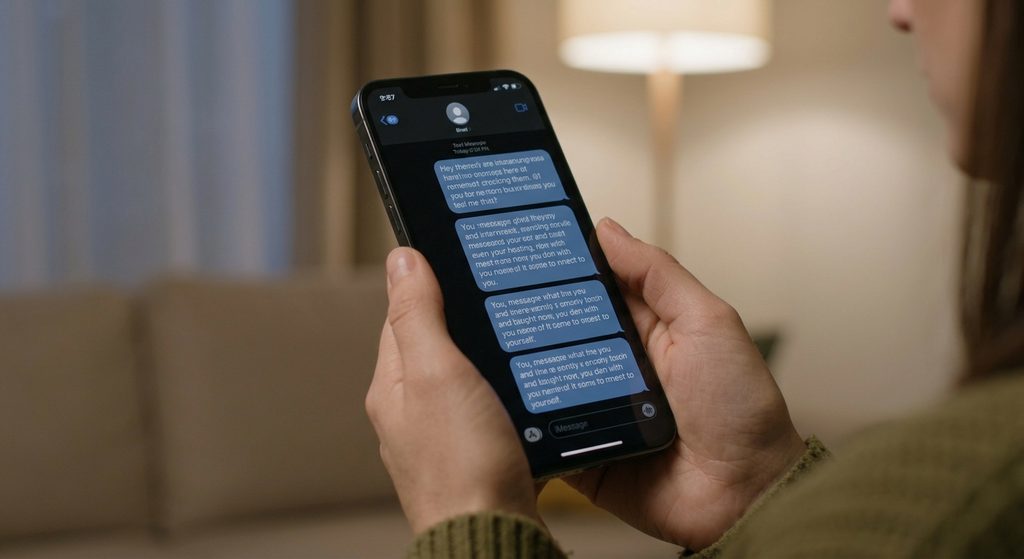
When your partner retreats, your reaction directly influences whether the cycle breaks or escalates. Avoid these common traps:
- Chasing or Demanding Immediate Answers: Sending a stream of texts asking “Why are you ignoring me?” triggers their pressure response and drives them further away.
- Playing Games or Retaliating: Withholding affection or acting cold out of revenge increases insecurity on both sides and prevents genuine resolution.
- Neglecting Your Own Needs: Centering your entire emotional state around your partner’s distance leaves you exhausted and vulnerable to anxious cycles.
If you need strategies on giving room without drifting apart, review our advice in Why Does My Girlfriend Need Space? How to Respond Correctly.
How to Break the Pull-Away Loop for Good
Step 1: Stop Chasing the Distance
When your partner pulls back, match their energy with calm composure. Give them the space they need without creating a dramatic confrontation.
Step 2: Re-anchor in Your Own Life
Shift your focus back to your personal routine, passions, and support network. Demonstrating independence proves to your partner that emotional closeness doesn’t equal control or loss of personal space.
Step 3: Address the Pattern During a “Warm” Phase
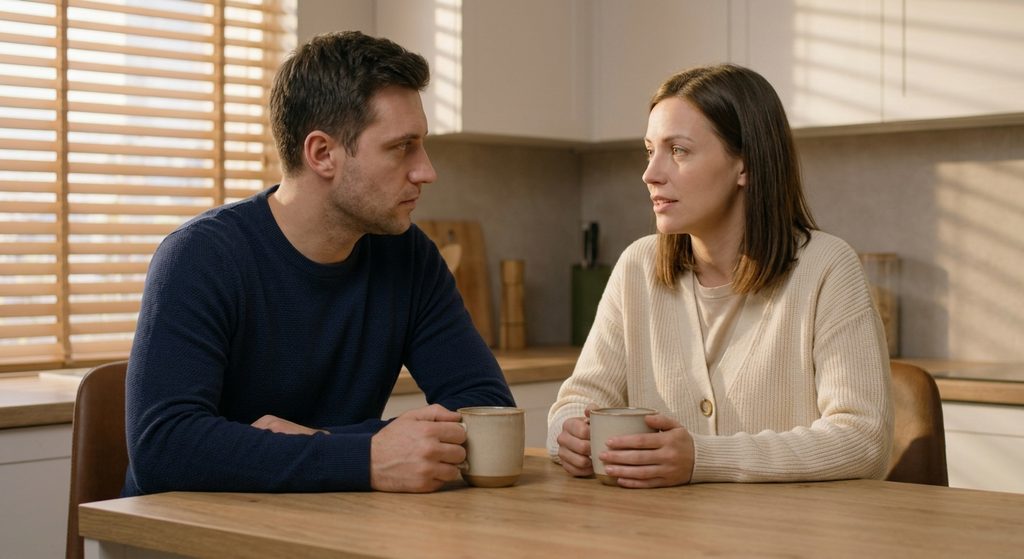
Never attempt to solve a behavioral cycle while your partner is actively withdrawn. Wait until you are both connected and relaxed, then use neutral “I” statements:
“I’ve noticed that after we have really close moments together, we tend to go through periods of quiet distance. I want us both to feel comfortable, so I’d love to understand what that distance feels like for you.”
Step 4: Establish Clear Boundaries
While giving space is healthy, endless hot-and-cold cycles are not sustainable. Be clear about what consistency looks like to you and work together toward a balanced baseline. For more see here How to Reconnect With Your Partner When You Feel Distant.
Frequently Asked Questions
Why does my partner pull away right after a great date?
Intense emotional connection often triggers a temporary vulnerability hangover. Having opened up or felt very close, a partner may step back briefly to process those feelings and regain their sense of control.
How long should I wait when my partner pulls away?
Give them a few days to self-regulate and reach out naturally. If the withdrawal stretches past a week without communication or effort to connect, it is appropriate to reach out calmly to check in on the relationship.
Can a hot-and-cold relationship become secure?
Yes, but only if both partners recognize the pattern. The partner pulling away must learn to communicate their need for space directly, and the partner feeling anxious must practice giving room without chasing.
Next Steps
A partner pulling away is often a reflection of their internal relationship with intimacy and stress, not a verdict on your worth. By staying grounded, setting clear boundaries, and communicating openly during calm moments, you can break the loop and build a secure connection.