




















That subtle shift in a relationship is rarely noisy. It usually starts small: text messages get shorter, plans feel harder to schedule, and warm affection slowly gives way to polite distance.
When you feel your girlfriend pulling back, your natural reaction might be anxiety or a desperate urge to pull her close. However, before reacting, it is essential to look at the situation objectively.
Here is how to tell whether her shift in behavior points to fading romantic interest—and how to respond without making things worse.
Distinguishing Temporary Stress from Fading Interest
Before reviewing the signs, remember that external pressures like work stress, personal burnout, or family crises can mimic emotional distance.
When someone is overloaded, their ability to show up affectionately naturally drops. The key distinction lies in consistency and engagement: temporary stress causes temporary distraction, whereas a loss of interest manifests as persistent emotional detachment across all areas of your connection.
10 Signs Your Girlfriend May Be Losing Interest
1. Her Communication Effort Drops Significantly
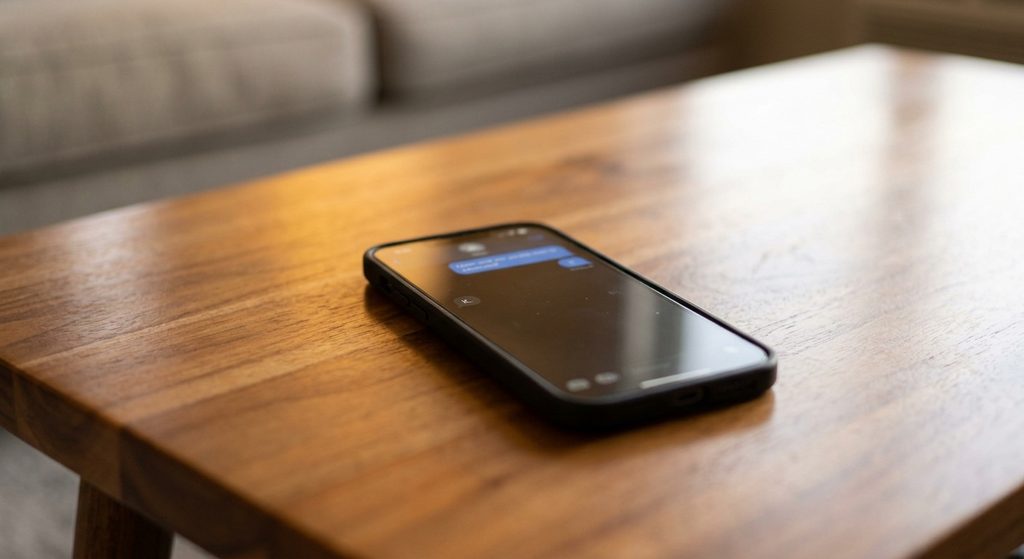
If her messages have shifted from energetic, open conversations to brief, one-word replies—or if she takes hours to respond without explanation—it often indicates low emotional investment.
2. She Stops Initiating Contact and Plans
In a balanced relationship, both partners initiate quality time. If you stop reaching out first and notice that days go by without her initiating a text, call, or date night, she may be stepping back.
3. Physical Intimacy and Affection Plummet
Affection is one of the clearest indicators of closeness. A noticeable decrease in hand-holding, casual touch, hugging, or sexual intimacy—especially if she pulls away when you initiate—signals emotional distance.
4. She Becomes Distant or Disengaged During Quality Time
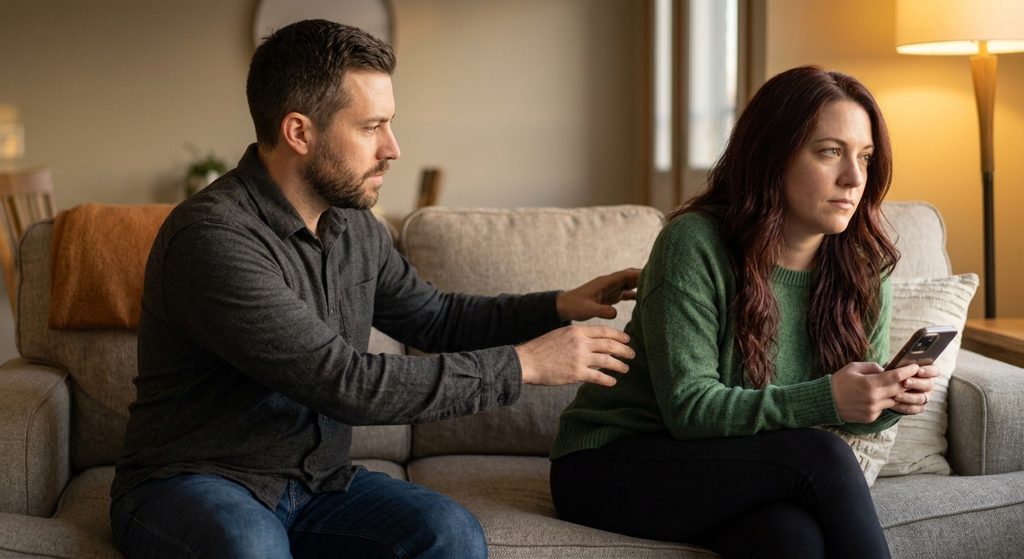
Even when you are physically in the same room, she feels miles away. She may stay glued to her phone, give brief answers, or show little interest in what you are saying.
5. Minor Conflict Turns into Irritability or Indifference
When romantic interest wanes, patience often goes with it. You might notice her becoming easily annoyed by small habits she previously ignored or showing total indifference toward resolving minor friction.
6. She Avoids Making Future Plans
Whether it is planning a vacation next month or simply agreeing to plans next weekend, she hesitates or gives vague answers like “Let’s see how things go closer to the date.”
If she is explicitly asking for room rather than just avoiding plans, refer to our detailed guide in Why Does My Girlfriend Need Space? How to Respond Correctly.
7. You Feel Like an Option Rather Than a Priority
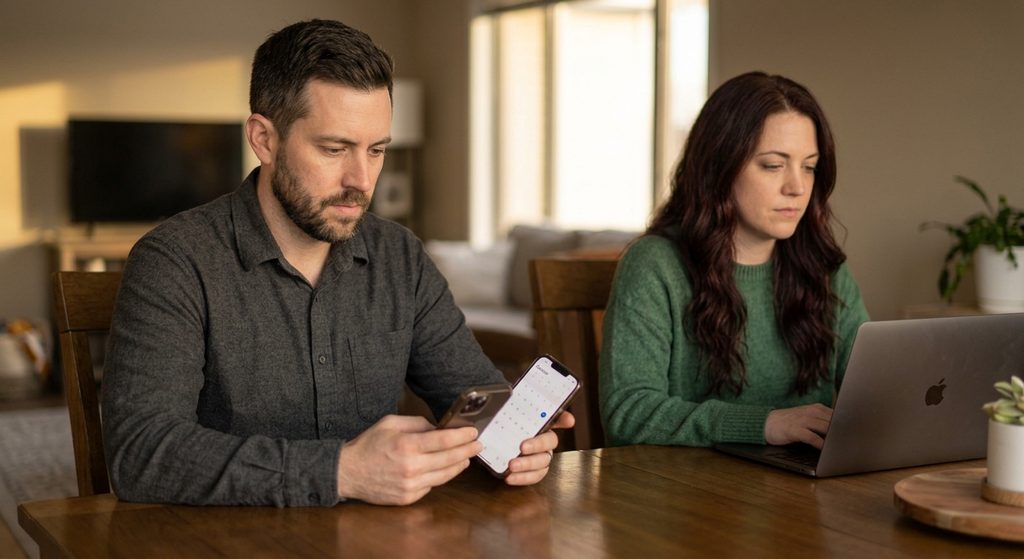
Her schedule suddenly fills up with work, friends, and solo activities, leaving you with whatever leftover time is available. While independence is healthy, total marginalization is not.
8. She Stops Sharing Her Daily Life and Emotions
When a woman is emotionally invested, she naturally shares her thoughts, daily wins, and vulnerabilities. If she stops opening up about her life, she may be mentally checking out.
To explore deeper patterns of closed-off behavior, check out our breakdown in 13 Signs Your Partner Is Emotionally Unavailable.
9. Her Friends and Hobbies Entirely Replace Relationship Time
While maintaining personal autonomy is crucial, a total shift toward prioritizing outside activities while excluding you entirely suggests a desire for separate lives.
10. She No Longer Bothers to Work Through Relationship Arguments
Paradoxically, fighting can show that someone still cares enough to fix things. Indifference is far more dangerous than conflict. If she responds to relationship issues with a simple “Whatever you think,” she may have given up on the relationship’s future.
For a deeper look at long-term pull-back cycles, read our analysis in Why Does My Partner Keep Pulling Away? 8 Possible Reasons.
Is She Losing Interest or Just Stressed?
| Factor | Temporary Stress / Burnout | Fading Romantic Interest |
| Warmth When Reconnecting | Warm and appreciative once the stressors subsides. | Cool, polite, or detached even when relaxed. |
| Reassurance | Reassures you that her distraction is not about you. | Avoids acknowledging the shift or grows defensive. |
| Eye Contact & Touch | Still accepts affection, even if low energy. | Pulls away from touch or avoids eye contact. |
| Communication Quality | Explains her current situation or workload. | Leaves you guessing and provides vague excuses. |
How to Handle the Situation Constructively
Avoid Anxious Pursuing and Double-Texting
Chasing a partner who is pulling away rarely works. Pushing for constant reassurance or double-texting increases the pressure she feels and usually drives her further into withdrawal.
Initiate a Direct, Low-Pressure Conversation
Instead of accusing her with statements like “You don’t care about me anymore,” use calm, observation-based language:
“I’ve noticed we’ve been a bit distant lately, and I wanted to check in. How are you feeling about us right now?”
This approach opens the door for an honest dialogue without putting her on the defensive.
To understand general patterns of distance across relationships, compare these dynamics with Why Is My Boyfriend Suddenly Distant? 9 Possible Reasons.
Frequently Asked Questions
Can a girlfriend regain interest after pulling away?
Yes, but forcing the issue rarely helps. Giving her space, maintaining your own self-assurance, and having a mature conversation are the best ways to create room for romantic feelings to return.
How long should I wait before bringing up her behavior?
If the shift persists for more than 1 to 2 weeks without a clear external cause (like exam stress or a work crisis), it is appropriate to address it directly and calmly.
What if she denies that anything has changed?
If her words say everything is fine but her actions consistently demonstrate withdrawal, pay attention to the behavioral pattern. Reiterate your desire for honest communication in a low-pressure way.
Next Steps
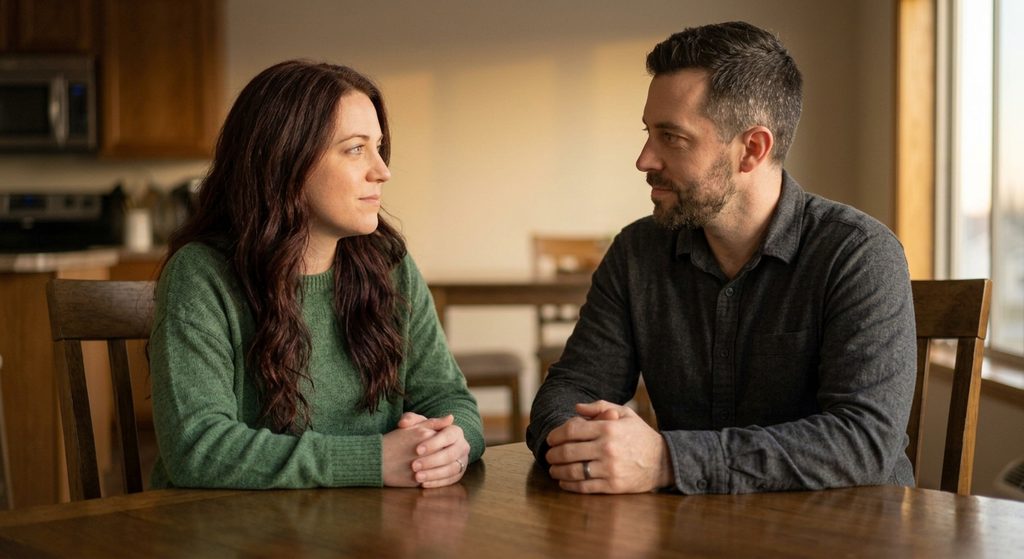
Observing a drop in your partner’s interest is challenging, but clarity is always better than ongoing uncertainty. Focus on keeping your composure, respecting her boundaries, and having an open conversation to determine where you both stand.