




















Being in a relationship with an emotionally unavailable partner is one of the most confusing experiences in dating. They might be charming, fun, and attentive when life is light, yet the moment real emotional intimacy, vulnerability, or conflict resolution is required, a wall goes up.
Physical presence does not guarantee emotional connection. When your partner is incapable of opening up or holding space for your feelings, you end up doing all the heavy lifting to keep the bond alive.
Recognizing the clear patterns of emotional unavailability allows you to stop taking their emotional distance personally—and start making informed decisions about your relationship.
What Does Emotional Unavailability Actually Mean?
Emotional unavailability is the inability or unwillingness to create, sustain, and nurture a deep emotional connection with another person.
It is rarely about a lack of attraction or intelligence. Instead, it is a protective defense mechanism—often rooted in past emotional trauma, avoidant attachment styles, or a fear of losing control—that keeps potential partners at a safe distance.
13 Signs Your Partner Is Emotionally Unavailable
1. They Avoid Deep or Vulnerable Conversations
Whenever the conversation shifts from light day-to-day talk to deeper topics—like personal fears, relationship feelings, or emotional history—they change the subject, shut down, or give brief, non-committal answers.
2. Their Past Relationships Are Wrapped in Mystery or Blame
Listen closely to how they talk about their exes. An emotionally unavailable partner typically describes all past exes as “crazy” or paints themselves strictly as the victim, showing a lack of self-reflection and accountability.
3. They Use Humor or Deflection to Defuse Sincerity

When you express sincere affection or raise a serious concern, they reply with sarcasm, jokes, or playfulness. Deflection allows them to dodge emotional weight without having to engage authentically.
4. They Are Highly Inconsistent with Affection and Communication
They might shower you with intensity one week, then vanish into quiet distance the next. This hot-and-cold pattern keeps you hooked on the relationship while preventing long-term stability.
If this cycle feels familiar, learn more about why partners pull back in Why Does My Partner Keep Pulling Away? 8 Possible Reasons.
5. They Label Healthy Emotional Needs as “Needy” or “Crazy”
When you express basic relational desires—such as wanting clear communication, quality time, or emotional reassurance—they accuse you of being “too sensitive” or “demanding.” This invalidates your feelings and keeps them in control.
6. They Keep You at Arm’s Length from Their Inner Circle
Even after months of dating, you haven’t met their close friends, family, or people who truly know them. They compartmentalize their life so that you only exist in a specific, controlled vacuum.
7. The Relationship Thrives Only on Surface-Level Fun

Your time together revolves around movies, partying, physical intimacy, or casual activities. However, quiet moments requiring real presence or emotional warmth feel awkward, rigid, or forced.
8. They Stonewall or Disappear During Conflict
When disagreements occur, rather than sitting down to resolve the issue together, they shut down completely, walk out, or ignore your texts for days. Stonewalling is a primary defense mechanism against emotional stress.
9. They Struggle to Express Genuine Empathy
When you have a bad day or go through a tough situation, their reaction feels clinical, distant, or dismissive. They may offer quick fixes rather than comforting you or listening actively.
10. They Value Extreme Autonomy Over Interdependence
While independence is healthy, emotionally unavailable partners view even minor compromises as an attack on their freedom. They treat the relationship as a side-project rather than a partnership.
11. They Send Mixed Signals About the Future
They say things like “I really like where this is going,” but follow up with “I’m just not good at relationships right now.” They give you just enough hope to stay without committing to a shared trajectory.
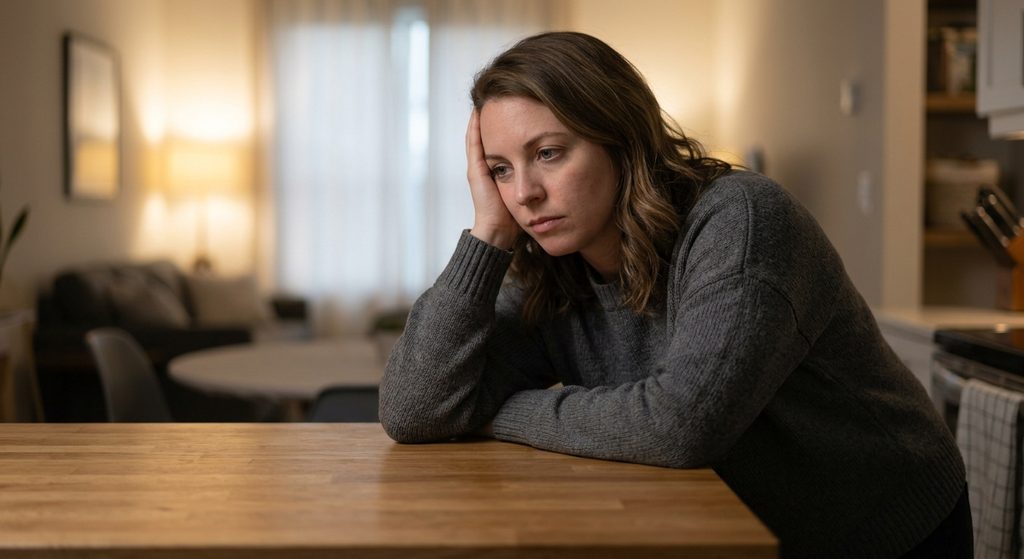
12. You Feel Unusually Lonely Even When Sitting Right Next to Them
Your intuition often picks up on emotional absence long before your mind rationalizes it. If you feel isolated, anxious, or unfulfilled even in their presence, their emotional wall is the primary cause.
To assess whether this distance stems from fading feelings or chronic unavailability, review 11 Signs He Is Losing Interest in You.
13. You Bear the Entire Burden of Emotional Maintenance
You are always the one initiating meaningful check-ins, asking about their day, trying to fix misunderstandings, and bringing up future plans. Without your constant effort, the relationship would collapse into total silence.
Can an Emotionally Unavailable Partner Change?
An emotionally unavailable person can only change if they personally recognize their barrier and actively want to heal it through self-work or therapy.
You cannot fix, coach, or love someone into emotional availability. Attempting to drag a partner into emotional depth often leads to resentment, burnout, and lower self-esteem for you.
If you are trying to break through quiet walls in a safe way, check out our guide in [INTERNAL LINK: Article #9].
How to Protect Your Emotional Well being:
- Stop Over-Functioning: Step back and stop carrying 100% of the emotional effort. Let the relationship land on its true foundation so you can see what your partner naturally contributes.
- Set Clear Boundaries: State your need for consistency and open communication clearly without issuing ultimatums.
- Focus on Reality, Not Potential: Stop dating the idealized version of who they could be if they opened up. Evaluate them based on how they show up for you today.
- Prioritize Your Own Fulfillment: Re-invest in relationships, hobbies, and activities that offer secure, reciprocal warmth.
Frequently Asked Questions
Can an emotionally unavailable person love you?
They can feel deep affection, care, and attraction toward you, but their internal defenses prevent them from translating those feelings into consistent emotional intimacy, safety, and commitment.
What causes emotional unavailability?
It usually stems from childhood attachment injuries, past relationship trauma, fear of vulnerability, or growing up in environments where emotional expression was punished or dismissed.
How do I talk to an emotionally unavailable partner?
Focus on calm, direct “I” statements during neutral moments rather than during conflicts. Describe specific behaviors rather than labeling their personality.
Next Steps

Recognizing emotional unavailability is not about blaming your partner—it is about honoring your own emotional needs. You deserve a connection where vulnerability is met with warmth and intimacy is a shared experience.